Many people around the world are shocked at the scale of the assault on Palestinian civilians in Gaza and the extent of the bloodthirsty hatred poured upon them. It is bewildering how Palestinians manage to endure all that hardship! How they bear all the calamities and cling to the remnants of a devastated homeland! How Palestine’s soil, mixed with the blood of loved ones, can be so precious that people remain attached to it, waiting for more deadly bombs to fall from the sky! This novel, written before the latest aggression on Gaza, tries to give answers to these questions, and brings the reader closer to understanding the reality of what is happening.
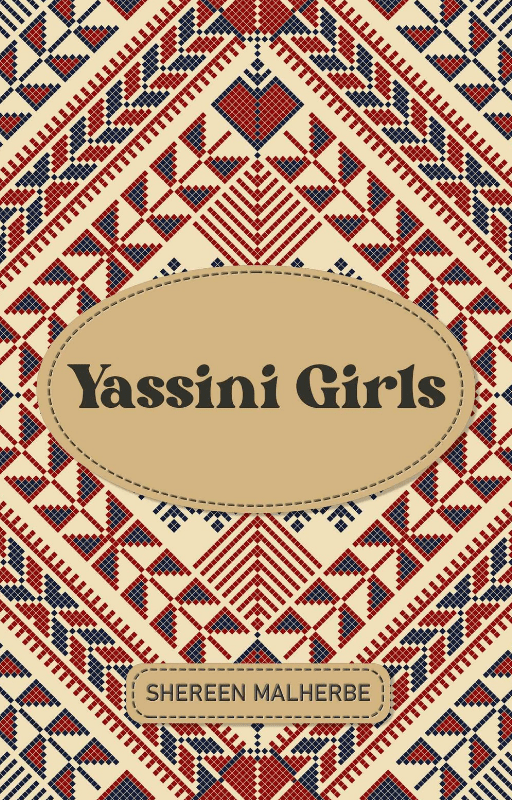
The novel “Yassini Girls” retells the well-known events of a massacre that occurred seventy-six years ago in Deir Yassin – near Jerusalem. Even though the details of the massacre are known to anyone interested in the Palestinian cause, the author manages to weave together the threads of this story and produce a new work that shines a light on it from new angles. The novel presents the tragic events in a new form, helping the reader to understand what has happened and what is happening now. It helps readers to grasp why countless massacres against the Palestinian people have occurred, the extent of global complicity, and the enduring resilience of the Palestinian people and how they are deeply rooted in their land.
It is amazing how the author managed to maintain a sense of suspense and anticipation into a story whose details are known to the reader. To do so, she has utilized two essential elements that play a pivotal role in Palestinian culture and have significant symbolism in Palestinian history. They are stone and embroidery. Using these elements she crafted a captivating tale, dressing it in a new garb that keeps the reader engaged until the very end. The reader then emerges with a fresh, vivid image of what happened in Deir Yasin.
Stone symbolizes the land and the people who shaped it to build timeless houses. It reflects the piles of debris, that are testament to the occupiers’ brutality and lack of understanding of the land to which they claim ancestral ties. Then, stone is a symbol of the Palestinian people’s resilience and resistance to Occupation. It also reminds humanity with the children, who were desperate to the extent that they picked up rocks and threw them at the occupier’s armored vehicles, which rained them with bullets. The Stone Uprising has become a landmark in contemporary Palestinian history and a symbol of the struggle of the oppressed anywhere on Earth.

The embroidery on the Palestinian women dresses, with designs and patterns deeply rooted in the Palestinian history, depicts the features of Palestinian culture that have continued for thousands of years. It celebrates the beauty that fills this blessed land despite all the bloodshed it has witnessed since the Western colonial winds began to blow death and destruction upon it. Stone and embroidery meet at the end of the novel to reveal secrets that the land of Deir Yassin has kept for decades.
The author uses a first-person narrative style, with multiple narrators in different chapters of the novel. The picture becomes complete by the end, revealing the ideas the author has woven throughout its various chapters. She relies on oral accounts from real people, her personal experiences, and her family’s history. In all these chapters, a woman is the narrator, the witness, the victim, and the heroine who emerges from the womb of suffering strong and proud.
Furthermore, the author was able to add a human dimension to the cold events of history, which are always dictated by the victor and stripped of the human emotions that touched everyone involved. In fact, massacres don’t only cause the death of innocent people, but they also leave scars in the hearts of those who survive and shape their lives. This book may help us, as we hear and see the brutal massacres in Gaza, to comprehend the profound impact on the survivors’ souls and how their lives will be shaped for decades to come, tainted by images of blood and dismemberment.
Palestinian literary critic, Abdallah DaisAug. 12, 2024
 Shereen Malherbe